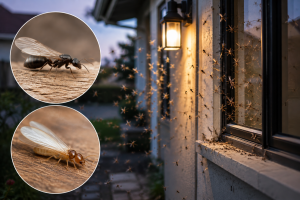
A mole cricket infestation is one of the most overlooked lawn and garden threats in South Africa. If you have noticed loosened turf, patchy yellow grass or raised soil tunnels, you may be dealing with the destructive mole cricket. These underground feeders are active across many warmer regions and are known for causing long-term lawn to decline if not treated quickly and correctly.
At Pestatermite, we specialise in identifying and eliminating mole cricket infestations using expert, targeted solutions that address the pest at root level.
What is a Mole Cricket?
The mole cricket is a burrowing insect from the Gryllotalpidae family and is commonly found in South African gardens, sports fields, golf courses and landscaped residential estates. Its body structure is unique, featuring strong digging forelegs that resemble those of a mole, allowing it to move rapidly beneath the soil surface. The African Mole Cricket, scientifically known as Gryllotalpa Africana, is the most damaging species locally. Male mole crickets are easy to detect during warmer evenings as they produce a loud, rhythmic call during breeding periods, often before you ever notice physical damage.
How Mole Crickets Damage Your Lawn
What makes the mole cricket particularly harmful is that the bulk of its destruction happens where you cannot see it. While most pests feed on visible foliage, mole crickets operate below the surface. Their constant tunnelling severs grass roots and disrupts soil structure, which prevents grass from establishing strong anchoring and nutrient absorption. The tunnels usually sit between two and five centimeters below the surface, leaving the turf soft and lifted. Over time, lawns begin to show irregular brown patches that feel spongy underfoot.
Along with tunnelling, mole crickets also feed on young roots and stems. This combination means plants lose their ability to take up water and nutrients, leading to lawn decline and crop loss almost overnight.
How to Recognise a Mole Cricket Infestation
Early detection is essential if you want to save your lawn from permanent damage. Look out for any of the following warning signs. Dying patches of grass that look yellow or straw-like even when watered correctly. Turf that lifts easily from the soil because the roots have been cut through during tunnelling. Raised soil ridges or fine tunnels visible after rainfall or garden irrigation.
Loud cricket calls coming from the ground after dark, especially in warmer months. A sudden increase in birds probing your lawn, particularly ibis or egrets, as they feed heavily on mole crickets.
Mole Cricket South Africa Treatment: Why DIY Methods Fail
Mole crickets spend most of their lifecycle underground which is why standard store-bought chemical sprays or surface treatments rarely work. Even when adults are eliminated, underground nymphs continue feeding until they mature, and the cycle starts again.
At Pestatermite, our treatment strategy is designed specifically for mole cricket habits. We begin with identifying the species present to determine the correct seasonal application plan. We then use professional insecticides and baiting systems structured to reach inside the tunnels rather than only treating the visible surface. The most successful treatment window is late spring through early summer when nymphs are closest to the topsoil and more vulnerable.
Act Fast to Protect Your Lawn
If your garden displays any suspicious signs or if you have heard persistent cricket calls at night, it is best not to delay assessment. Mole cricket destruction is progressive and once root systems detach completely, your lawn may fail to recover without full renovation.
With Pestatermite, you receive a customised treatment plan tailored to the severity of your mole cricket infestation and the type of lawn or garden you maintain. Our goal is to restore health, soil stability and turf density before the damage becomes irreversible. Get in touch today! 082 574 5455 or email pestatermite@mweb.co.za