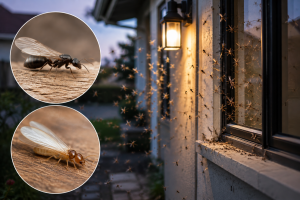
A lawn that once looked healthy can suddenly begin to thin out, turn yellow, or feel spongy underfoot. Many homeowners assume the issue is poor watering, seasonal stress, or soil problems. The cause is often underground. Mole cricket damage is one of the most overlooked reasons lawns fail to thrive, especially in warmer regions where these pests are active for much of the year.
Understanding how mole cricket damage develops is the first step in protecting your outdoor space and maintaining a strong, healthy lawn.
What Is Mole Cricket Damage and Why Is It So Destructive?
Mole crickets are burrowing insects that live beneath the soil surface. Unlike pests that feed visibly on leaves or grass blades, mole crickets cause damage from below, making infestations difficult to detect in the early stages. As they tunnel through the soil, they sever grass roots and disrupt the structure that supports healthy growth.
This underground activity weakens the lawn’s foundation. Grass struggles to absorb water and nutrients, resulting in thinning patches and areas that fail to recover. Over time, untreated mole cricket damage can spread across large sections of a lawn, leaving it uneven, fragile, and costly to restore.
Common Signs of Mole Cricket Damage
Because mole crickets work below the surface, visible symptoms often appear gradually. One of the earliest indicators of mole cricket damage is turf that feels loose or spongy when walked on. Raised soil ridges or small mounds may also be visible, particularly after watering.
Discoloured patches that continue to worsen despite regular irrigation are another warning sign. In some cases, birds may gather in affected areas, feeding on the insects beneath the soil. These signs are frequently mistaken for general lawn stress, allowing the infestation to become more established.
Why Mole Cricket Damage Progresses Quickly
Mole crickets are most active during warmer months, but the damage they cause does not pause when temperatures drop. Their tunnelling weakens grass roots long before obvious lawn decline appears. By the time grass begins dying off, the soil structure has often already been compromised.
If mole cricket damage is left untreated, it can lead to further problems such as soil erosion, invasive weeds, and uneven regrowth. Addressing the issue early is key to preventing widespread deterioration and expensive rehabilitation work.
The Importance of Professional Treatment
Standard lawn treatments are rarely effective against mole crickets. Because these pests live below the soil surface, surface-level solutions often fail to reach them. Professional pest control focuses on treatments that penetrate the soil and target mole crickets where they live and feed.
Pestatermite specializes in identifying and managing mole cricket damage using proven, targeted control methods. Our approach focuses on eliminating the infestation while supporting the long-term health of your lawn, rather than offering temporary fixes.
Long-Term Protection Against Mole Cricket Damage
Preventing mole cricket damage requires more than a once-off treatment. Ongoing monitoring, seasonal inspections, and professional guidance help ensure that early signs are detected before serious damage occurs. Maintaining healthy soil conditions also plays an important role in reducing future infestations.
Pestatermite provides thorough assessments that identify hidden pest activity and recommend appropriate solutions tailored to your property. Whether for residential gardens or larger outdoor spaces, our services are designed to protect lawns year-round.
When Your Lawn Needs Professional Attention
If your lawn feels unstable, appears patchy, or continues to decline despite proper care, mole cricket damage may be the underlying issue. Identifying the problem early can make a significant difference in how well your lawn recovers.
For professional inspection and effective control of mole cricket damage, contact Pestatermite.
Email info@pestatermite.co.za to arrange an assessment and restore the health of your lawn with confidence.