1-Keep Your Home Spotless with Regular Cleaning and Decluttering
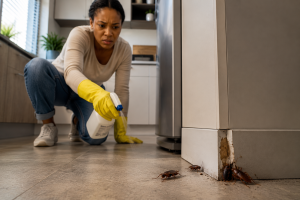
A clean home assists with minimiing the possibility of pests creating nests within your home. Wipe down kitchen surfaces after every meal, sweep floors daily and give cupboards a thorough wipe at least once a week. Clutter provides perfect harbourage for creepy crawlers, so consider donating items you no longer need and store everything else in sealed containers.
2-Seal Every Crack to Block Entry Points
Tiny gaps around windows, doors and plumbing entries act like open invitations for insects and rodents. Use high quality silicone sealant to fill cracks in walls and foundation. Do not forget to check weather stripping on exterior doors and window frames and replace any worn material promptly to maintain a snug seal.
3-Tackle Moisture to Discourage Insects and Rodents
Damp environments attract pests such as silverfish, cockroaches and rats. Fix any dripping taps or leaking pipes without delay and ensure your bathroom has adequate ventilation. In basements or utility rooms, consider a dehumidifier to keep relative humidity below fifty per cent and eliminate damp problem areas.
4-Smart Storage for Food and Waste Management
Store grains, cereals and pet food in airtight containers made of thick plastic or glass. Take kitchen waste out each evening and use bins with tight fitting lids. Rinse bottles and cans before placing them in a recycling bin to remove sugary residue that can entice ants and flies.
5-Natural Repellents Using Vinegar, Citrus and Essential Oils
White vinegar acts as a potent deterrent when sprayed along baseboards and entry routes. Citrus peels especially lemon and orange release oils that repel ants and spiders. Lavender and peppermint essential oils can be diffused or applied to cotton balls and placed in cupboards to discourage moths and silverfish.
6-Outdoor Barriers through Garden Maintenance and Drainage
Keep foliage trimmed back so no branches touch your house exterior. Remove standing water from plant saucers and gutters to cut mosquito breeding grounds. Spread gravel or crushed stone around the perimeter to reduce direct soil contact with your foundation and deter burrowing pests.
7- DIY Baits and Traps for Small Scale Problems
Glue boards under sinks can catch crawling insects, while snap traps placed along rodent runways can reduce a minor mouse problem. When using rodent bait, position tamper resistant bait stations out of reach of pets and children. Always follow product instructions to ensure safe and effective use.
8- Monitoring with Simple Weekly Pest Checks
Schedule a quick inspection once a week. Look for droppings, chew marks and shed skins in dark corners and behind appliances. Early detection allows you to address minor issues yourself before they spiral into full blown infestations that require professional intervention.
9- Pet and Child Safety First
Choose pet safe and child safe options wherever possible. Many chemical sprays carry warnings, so read labels carefully and apply treatments in unoccupied rooms. Ventilate the area well after treatment and avoid re entry until the recommended waiting time has passed.
10- Recognise When to Upgrade to Professional Services
Store bought products can handle minor invaders, but signs such as multiple entry points, widespread damage or unusual pest species call for expert help. A trained technician can carry out a full survey, identify nesting sites and recommend a comprehensive plan to secure your home.
Fascinating Facts About Common Household Pests
Cockroach Resilience and Survival
Cockroaches can survive without food for up to a month and without water for a week. Their flattened bodies allow them to squeeze through gaps as small as two millimetres and they can even regrow lost limbs through successive moults.
Hidden Termite Trails in Timber and Foundations
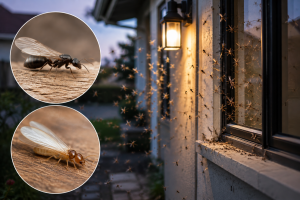
Subterranean termites build mud tubes to travel safely between soil and wood. These tubes can be as thin as a straw yet extend over many metres, often remaining out of sight until serious damage has occurred to structural timber.
Rapid Rodent Reproduction Rates
A single pair of mice can produce up to ten litters a year, each containing six to eight pups. That means within months a small problem can escalate into scores of rodents invading your home and depleting food stores.
Ant Colony Communication and Pheromone Trails
Scout ants lay invisible chemical trails to food sources. Once discovered, worker ants follow and reinforce these trails so more can join the foraging effort. Erasing those scent lines with a vinegar solution disrupts the colony’s traffic routes.
Beneficial Spiders That Help Control Other Pests
Not all spiders are unwelcome. Species such as the common house spider capture and consume flies, mosquitoes and small moths, acting as natural pest managers without posing any threat to humans.
Frequently Asked Questions
How Often Should I Schedule a Professional Inspection?
For most homes, an annual inspection is sufficient to catch termite activity and other hidden problems. In areas with high humidity or known termite pressure, consider a six month interval to stay ahead of potential infestations.
Are Chemical Treatments Safe for My Pets and Plants?
Modern treatments often use low toxicity products when applied by trained technicians. Always inform your pest control provider of any pets or valued plants so they can choose the safest option. After professional application, follow any recommended re entry times.
Can I Prevent Infestations Year Round or Only in Certain Seasons?
Pest pressure can vary with the seasons, but many invaders seek shelter indoors whenever temperatures drop or rainfall rises. A year round prevention plan combining regular cleaning, monitoring and maintenance is the best defence.
What Guarantees Do Pest Control Companies Offer?
Guarantees differ between providers. Many reputable firms offer warranty periods during which they will return to re treat affected areas at no extra cost. Always get guarantee details in writing and ensure they cover the type of pest you need managed.
How Do I Choose a Reputable Service Provider?
Look for certification from recognised industry bodies and read customer reviews. A professional company should provide a written treatment plan, explain safety measures and give transparent pricing without hidden fees.
Pests sense opportunity faster than we do and can turn a cosy home into a battleground in the blink of an eye. By following these home pest control tips, you empower yourself with do it yourself pest management tools and pest prevention advice that protect your family and property. When you need safe pest removal you can trust, contact us for a no obligation consultation. Let our experts tailor an eco friendly pest solution plan that keeps your home secure and your mind at ease.