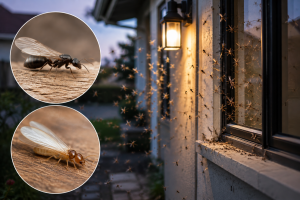
How to get rid of fish moths is a common concern for homeowners who notice small silver insects moving quickly along skirting boards, inside cupboards, or near books and stored clothing. Fish moths thrive in dark, damp environments and feed on materials commonly found inside homes. While they do not bite, their presence often signals moisture problems and can lead to damage to paper, fabrics, and stored items if left untreated.
Fish moths are closely related to silverfish and are especially active at night. Understanding why they appear and what attracts them is the first step toward effective control.
What Attracts Fish Moths into a Home
Fish moths are drawn to environments that provide moisture, shelter, and easy access to food. Homes with poor ventilation or ongoing dampness are particularly vulnerable.
Common attractants include:
High humidity in bathrooms, kitchens, and laundry areas
Leaking pipes, damp walls, or condensation build up
Stored paper, cardboard boxes, books, and magazines
Natural fabrics such as cotton, linen, and wallpaper paste
Dark, undisturbed spaces like cupboards, ceiling voids, and garages
If these conditions exist, fish moths are likely to settle in and multiply quietly.
How to Get Rid of Fish Moths by Reducing Moisture
Moisture control is essential when dealing with fish moth infestations. Without damp conditions, they struggle to survive.
Improve airflow by opening windows regularly or installing extractor fans in bathrooms and kitchens
Repair leaking pipes, taps, and gutters as soon as possible
Use dehumidifiers in areas prone to moisture build up
Avoid drying clothing indoors without proper ventilation
Reducing humidity makes your home far less attractive to fish moths and prevents reinfestation.
How to Get Rid of Fish Moths Through Proper Storage
Fish moths feed on starches and proteins found in paper, glue, and natural fibres. Poor storage gives them easy access to food sources.
Store books and important documents in sealed plastic containers
Avoid leaving cardboard boxes on floors or in damp cupboards
Keep clothing clean and stored in airtight containers where possible
Vacuum cupboards, shelves, and skirting boards regularly
Removing access to food significantly limits their ability to survive indoors.
Why DIY Treatments Often Fail
Sprays and household remedies may reduce visible activity but rarely address the root cause. Fish moths hide deep in cracks, wall voids, and behind skirting boards where surface treatments cannot reach. Eggs are often left untouched, allowing the infestation to return weeks later.
Successful control requires identifying moisture sources, nesting areas, and entry points, not just killing visible insects.
When Professional Fish Moth Control Is Necessary
If fish moths continue appearing despite improved ventilation and cleaning, professional treatment is recommended. A targeted approach focuses on hidden harbourage zones and uses products designed to eliminate both adults and eggs.
Professional inspections also help identify moisture issues that may be contributing to repeated infestations, protecting your home long term.
Take Action Before Fish Moths Spread Further
Fish moths are often a warning sign that moisture problems exist within your home. Ignoring them allows damage to continue unnoticed. Acting early prevents contamination of stored items and avoids ongoing frustration.
For expert assistance and effective treatment, contact Pestatermite for a professional inspection and tailored solution.
Call 082 574 5455
Email pestatermite@mweb.co.za