A pile of firewood may look harmless, but every split log contains cracks, loose bark and sheltered spaces. Left outdoors, those spaces can become hiding places for insects and spiders. The problem usually begins when the wood is stored badly or carried indoors without being checked.
Firewood does not automatically cause an infestation. However, damp timber, direct contact with soil and long periods of undisturbed storage can create favourable conditions for pests. Understanding that difference helps homeowners enjoy the fireplace or braai without bringing unwanted guests inside.
What May Be Hiding in a Woodpile?
Ants and spiders commonly shelter beneath loose bark or between stacked logs. Cockroaches may hide in dark, damp spaces near the bottom of a pile, while beetles and other wood-boring insects can be associated with older or decaying timber.
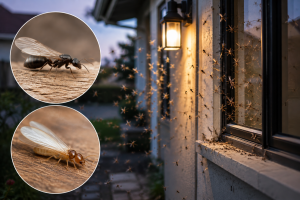
Termites are another concern when wood remains in contact with the ground or is stored near active termite areas. Not every pile will contain termites, but neglected timber can provide both food and cover. This is why the storage position matters as much as the condition of the wood itself.
How Pests Travel From the Pile to the House
Bringing in one or two logs for immediate use is less risky than storing a large indoor supply. Pests hidden beneath bark may emerge once the wood warms up. A pile stacked directly against the house can also give insects a sheltered route towards cracks, vents and doorways.
The aim is not to make firewood completely insect-free. Outdoor timber will naturally attract some activity. The goal is to reduce the chance of carrying live pests indoors or allowing a woodpile to support activity close to the building.
Store Firewood With Pest Prevention in Mind
Keep the stack raised off the soil on a suitable rack or support. Position it away from exterior walls, doors and windows, and choose a dry area with enough airflow to prevent moisture from becoming trapped. Cover the top from rain if necessary, but avoid wrapping the entire pile so tightly that it cannot dry.
Rotate the wood so older logs are used first. Bring indoors only what you expect to burn that day, then check each piece for insects, loose bark, mud, tunnels or unusual holes. A quick tap outdoors can dislodge insects before the log crosses the doorway.
Avoid applying household pesticides to firewood that will be burned. Products not intended for that purpose may create unnecessary exposure when the wood is handled or placed in a fire. If activity is persistent, ask a pest-control professional for advice.
When Firewood Activity Needs a Closer Look
Mud tubes, hollowed sections, repeated termite sightings, sawdust-like material or large numbers of insects around the pile deserve attention. These signs may indicate more than a few outdoor hitchhikers, especially if similar activity is appearing near the house.
Firewood can be managed safely with dry storage, regular rotation and simple inspection. If you are seeing insects around your woodpile or signs of activity indoors, Pestatermite can inspect the surrounding property and recommend the right response.
Call: 082 574 5455 | Email: pestatermite@mweb.co.za