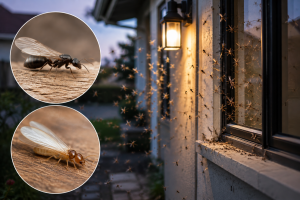
A pest problem rarely begins with insects suddenly appearing in the kitchen. In many homes, pests have already been moving through the building for days or weeks before anyone notices them.
During a professional inspection, some of the most important discoveries are not the pests themselves, but the small gaps that allowed them inside. A worn door seal, an opening around a pipe or damaged vent mesh may look insignificant to us. To ants, cockroaches or young rodents, it can be an open invitation.
Here are seven hidden pest entry points worth checking around your home.
1. Gaps Beneath Exterior Doors
Back doors, garage doors and laundry entrances take plenty of wear. Over time, seals flatten, frames shift and small gaps begin to form. If you can see daylight beneath a closed door, pests may have enough room to enter. Replacing worn weather stripping or fitting a suitable door sweep can close the gap without affecting normal use.
2. Openings Around Pipes and Cables
Plumbing pipes, electrical cables and air-conditioning lines must pass through walls somewhere. The seal around these points can crack, shrink or pull away as the building ages. Inspect both the interior and exterior openings, especially beneath sinks, behind appliances and around outside service points.
3. Roof Gaps and Damaged Eaves
Loose fascia boards, damaged soffits and gaps beneath roof edges can provide sheltered access to roof spaces. Rats, mice and other pests are drawn to areas that are warm, quiet and rarely disturbed. By the time scratching is heard in the ceiling, the entry point may have been in use for some time.
4. Damaged Air Bricks and Foundation Vents
Air bricks and foundation vents are necessary for ventilation, so they should not simply be blocked. However, broken covers or missing mesh can allow insects and rodents through. Repairing damaged vents with an appropriate pest-resistant screen preserves airflow while reducing access.
5. Cracks Around Windows
Window frames and sealant move gradually as a building settles and responds to temperature changes. Fine cracks may not appear serious, but ants and other crawling insects can follow them towards food, warmth or moisture. Check the edges of frames and replace cracked or peeling sealant where needed.
6. Garage and Storage Areas
Garages are opened frequently and often contain boxes, timber, tools and garden equipment. This combination gives pests both an easy route inside and plenty of places to hide. Keep stored items off the floor where possible, reduce clutter against walls and inspect the bottom and sides of the garage door for gaps.
7. Plants and Timber Touching the House
Branches resting on the roof, climbing plants against exterior walls and firewood stacked beside the building can create sheltered pathways. Timber in direct contact with soil can also attract moisture-loving pests. Trim vegetation away from the structure and store wood in a raised, dry position with space between the pile and the wall.
Small Openings Can Become Bigger Problems
Hidden pest entry points are easy to miss until an infestation has already become established. Closing obvious gaps helps, but a proper inspection looks at both the activity and the reason it began. It can identify where pests are entering, what may be attracting them and which areas need professional attention.
If you have noticed droppings, scratching sounds, insect activity or unexplained damage, contact Pestatermite for a professional inspection before the problem becomes harder to manage.
Call: 082 574 5455 | Email: pestatermite@mweb.co.za