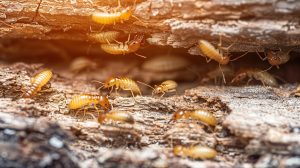
Termites are often described as silent destroyers and their diet is the main reason they earn that reputation. These insects feed on materials that contain cellulose which is the natural fibre found in wood and many plant based products. South African homes and businesses provide an abundant supply of cellulose in places most people never think about until the damage becomes obvious. Understanding what termites eat helps property owners recognise risk areas and take steps to protect their structures before costly repairs become necessary. Pestatermite offers expert inspections and treatments designed to deal with the specific feeding behaviour of termites throughout South Africa.
Cellulose is the core of a termite’s diet. It is found in timber furniture books, cardboard sheets and paper based products. Subterranean termites access these materials by travelling through soil and entering a structure from below or from the sides. They feed from the inside of timber which allows them to stay hidden while hollowing out beams and joists. Drywood termites live entirely inside dry timber and eat the wood from within. Dampwood termites prefer wood with a high moisture content and are usually found in areas with persistent leaks or in outdoor timber that absorbs water.
Most people assume termites only eat wooden beams or flooring but their diet is far more varied. They consume wooden doors, window frames, cupboards, roof trusses, skirting boards and structural supports. They can also feed on cardboard storage boxes, paper documents and certain fibrous insulation materials. Even trees, fencing posts and wooden garden features such as pergolas and planter boxes serve as food sources when conditions are right. Pestatermite technicians often find colonies feeding on landscaping timber or buried roots that connect directly to the home.
Moisture plays a major role in determining what termites will eat and how quickly they damage it. Wood that is damp or poorly ventilated becomes softer and easier to consume. Subterranean termites are especially attracted to moisture because it helps them survive. Leaking pipes blocked gutters ground that slopes toward the foundation and gardens planted too close to exterior walls create perfect feeding environments. Once termites locate a reliable food source they continue feeding until the structure becomes dangerously compromised.
Many homeowners are surprised to learn that termites also eat materials coated with paint or varnish. Surface treatments do little to stop termites because they enter through cracks, small openings or the unpainted underside of timber. They prefer wood that provides easy access such as untreated decking posts or timber that has been cut during construction without being sealed properly. This is one of the reasons Pestatermite emphasises the importance of regular inspections. Technicians can identify vulnerable areas before termites turn them into a feeding site.
Termites do not always limit themselves to structural wood. They may also chew through thin plastic fabrics and soft plaster to reach cellulose based materials behind them. While they do not feed on these items directly they damage them while creating pathways to preferred food sources. A common example is termites breaking through drywall to reach wooden studs or travelling through electrical conduits on their way to roof trusses. These behaviours highlight how persistent termites are once they have located an accessible food supply.
Outdoor areas around a property can significantly influence termite feeding patterns. Mulch garden edging fallen branches, old stumps and firewood stacks are ideal food sources. When these are placed against exterior walls termites eventually move from outdoor food to indoor structures. Pestatermite technicians often advise homeowners to keep garden beds away from foundations and to store firewood off the ground and away from the house.
Knowing what termites eat helps homeowners understand why professional intervention is so important. Termites consume cellulose constantly because their colonies rely on endless feeding. A single colony can contain hundreds of thousands of individuals which means the rate of damage can become extremely rapid. Professional treatments used by Pestatermite break the feeding cycle by either blocking access to food or targeting the colony directly. Soil barriers prevent termites from reaching timber. Baiting systems disrupt the feeding behaviour within the colony. Both methods protect structures by cutting off the source of the problem.
Property owners who suspect termites have discovered a food source on their property should act quickly. Early detection makes a significant difference because it limits the amount of timber consumed and reduces repair costs.The termite control service page explains the options available for long term protection and ongoing monitoring.
For professional termite inspections and treatment advice contact Pestatermite on 082 574 5455 or email pestatermite@mweb.co.za to schedule an assessment and protect your property from further damage.