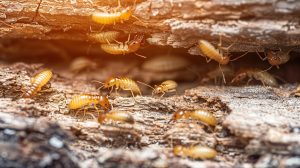
Ant problems are incredibly common across South Africa because the country’s warm climate and varied landscapes provide ideal conditions for large fast growing colonies. Although ants seem small and harmless at first they can become a significant nuisance when they invade kitchens, damage electrical equipment or form persistent trails through living and working spaces. Understanding why ant infestations occur and knowing how to deal with them effectively helps homeowners and businesses stay ahead of the problem. Pestatermite offers professional ant control services designed to manage different ant species and provide long term protection for properties throughout South Africa.
Ants enter properties primarily in search of food warmth and moisture. Most species are attracted to sugary substances, proteins and greasy residues. Kitchen pantries and outdoor entertainment areas are common hotspots because small spills and crumbs create easy feeding opportunities. Ants locate these food sources using pheromone trails which allow hundreds or even thousands of workers to follow the same route within minutes. This rapid buildup is what turns a minor inconvenience into a visible infestation. Understanding these foraging patterns is an important step in preventing ants from establishing themselves indoors.
South Africa is home to several ant species that frequently invade homes. Sugar ants are among the most common because they seek out sweet liquids and crumbs. They move in long trails and can quickly contaminate food or packaging. Argentine ants spread aggressively and form large colonies that push out other ant species. They often nest in walls, paving gaps and gardens close to homes. Black garden ants and brown house ants are also widespread and regularly invade kitchens and bathrooms. Each species behaves differently which is why an accurate inspection is essential before choosing a treatment.
Ant problems often begin outdoors. Gardens with dense vegetation mulch compost heaps paving cracks or damp soil provide excellent nesting conditions. Once a colony becomes large enough worker ants explore further and eventually enter the home through tiny gaps in window frames under doors or through plumbing and electrical openings. Outdoor food sources such as pet bowls, fruit trees or rubbish bins also attract ants closer to the property. Pestatermite technicians frequently discover nests hidden beneath garden stones against foundations or inside irrigation systems that run close to the home.
Moisture plays an important role in ant activity. Leaking pipes, damp walls or overwatered garden beds provide ideal conditions for nesting. Many ant species require moisture to sustain their colonies which is why bathrooms, kitchens and perimeter walls with damp patches often become focal points for infestations. Reducing moisture around the property and repairing leaks quickly helps limit ant access but it does not eliminate established colonies. Professional treatment is usually required once ants begin nesting inside wall cavities or beneath flooring.
Ant infestations can cause more than simple annoyance. Some species contaminate food supplies by crawling into packaging containers and storage cupboards. Others damage electrical equipment by nesting inside appliances or distribution boards. Large colonies can undermine paving, disturb foundations or compromise outdoor structures by removing sand from beneath them. In commercial environments ants can affect hygiene standards, disrupt operations and create a poor impression for customers. Pestatermite provides commercial ant control solutions tailored for businesses that require fast response and safe compliant treatments.
Professional ant control involves identifying the species locating the nest and applying targeted treatments. Surface spraying alone is rarely effective because it only kills visible ants and leaves the colony intact. Pestatermite uses specialised baits and products that worker ants carry back to the nest which allows the treatment to reach the queen and disrupt the colony from within. This approach provides longer lasting results and prevents ants from returning. For severe or recurring infestations technicians may use a combination of baiting residual treatments and perimeter applications to ensure thorough protection.
Long term prevention is an essential part of managing ant problems. Keeping food sealed, cleaning spills promptly, storing pet food correctly and maintaining good kitchen hygiene help reduce attractants. Outdoors trimming vegetation reducing excessive moisture sealing cracks and improving waste management all make the property less inviting to ants. Regular professional inspections from Pestatermite ensure early detection especially in high risk areas with known ant activity.
South Africans experiencing persistent ant problems can find detailed information on inspection processes, treatment options and prevention strategies on pestatermite.co.za. Whether dealing with a minor trail or a large colony, professional support offers the most reliable way to restore comfort and hygiene.
For fast and effective ant control across South Africa contact Pestatermite on 082 574 5455 or email pestatermite@mweb.co.za to schedule an inspection and receive professional treatment tailored to your property.