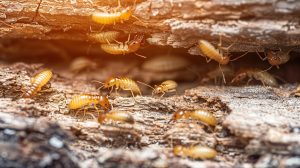
Termites are among the most destructive pests in South Africa causing widespread structural damage to homes and commercial buildings every year. The country’s warm climate varied soil types and extensive use of timber in both older and modern construction create ideal conditions for termite activity. Many homeowners are surprised by how quietly and efficiently termites operate because they usually remain hidden until real damage has already spread. Understanding how termites behave in South Africa and knowing how to manage the risk is essential for protecting any property. Pestatermite provides specialised termite inspections and treatments designed specifically for South African conditions offering reliable support for both prevention and active infestation control.
Termites in South Africa can be grouped into three main types which include subterranean termites, drywood termites and dampwood termites. Subterranean termites are the most common and the most destructive because they live in the soil and move between the ground and timber structures through concealed tunnels. Their colonies can grow extremely large and they require moisture which explains why leaks damp foundations and poorly ventilated areas attract them so easily. Drywood termites differ because they live entirely inside wood without needing direct contact with soil. They can infest furniture roof beams and wooden flooring. Dampwood termites prefer high moisture environments and are more common in coastal or heavily irrigated areas. Each type requires a different treatment approach which is why a professional inspection is necessary before any work begins.
South African suburbs with older homes are particularly vulnerable because many of these buildings have timber foundations, untreated roof trusses and wooden skirting boards. Over time natural wear creates small weaknesses that termites exploit. Even modern buildings with treated timber are not immune, especially if the treatment has faded or the timber has been cut, drilled or modified during renovations. Termites often enter through cracks in foundation gaps in paving broken drainage systems or soil that directly touches wooden components. Pestatermite technicians frequently discover colonies beneath patios behind retaining walls or inside garden beds that sit close to exterior walls.
One of the biggest challenges with termites in South Africa is the lack of early warning signs. These insects are experts at avoiding detection. They hollow out timber from the inside which leaves the outer surface intact until it is too late. Indicators such as hollow sounding wood, subtle sagging in floorboards, faint cracks in ceilings or skirtings, small heaps of frass and thin mud tubes along foundations can all hint at underlying activity. Because these signs can be easily overlooked or mistaken for natural aging, many property owners only realise the extent of the problem during renovations or when structural failures appear. Pestatermite’s inspection service helps identify these early clues using qualified technicians and experienced assessment techniques that reduce the risk of hidden colonies going unnoticed.
Climate plays a significant role in termite behaviour throughout South Africa. Warm coastal regions support year round activity while inland areas such as Gauteng experience slightly reduced activity during colder periods. However most species remain active enough to cause damage at any time of the year. Heavy rainfall stimulates foraging behaviour because the soil becomes softer and easier to navigate. Swarming season usually begins during the first warm humid days after rainfall when winged termites leave the colony to establish new nests. Seeing flying termites around windows and lights is often a sign that a property is either already infested or at high risk.
Professional termite control in South Africa generally relies on two proven strategies which include soil barrier treatments and external termite baiting systems. Soil barrier treatments involve applying a professional grade liquid termiticide to the soil around the foundation of the building. This creates a treated zone that termites cannot safely cross. It disrupts their movements and provides long term protection when applied correctly. This method is widely used across South Africa because it suits local soil conditions and works effectively on properties where termites enter from the ground.
Baiting systems provide a second solution that targets the colony directly. Baits/granules are used externally. Worker termites consume the bait and carry it back to the nest. Over time the colony declines as the active ingredient affects the development and feeding cycle of the termites. Baiting is especially useful for properties where soil barriers are not suitable due to construction design or heavy landscaping. It also provides ongoing monitoring which is valuable in high risk regions. Pestatermite uses both methods depending on what the inspection reveals and ensures that each treatment aligns with national pest control standards.
South African homeowners often underestimate the importance of termite prevention until they experience an infestation themselves. Simple actions such as keeping garden beds away from walls, maintaining proper drainage, fixing leaks quickly, improving ventilation and reducing ground to wood contact can significantly reduce the likelihood of termites entering a structure. However even well maintained properties remain at risk because subterranean termites can travel long distances underground. Regular inspections from Pestatermite are the most reliable defence because they allow early detection and accurate identification of emerging problems.
Commercial properties across South Africa also face severe termite risks. Warehouses, retail centres, office buildings and industrial sites contain a mix of timber framing cardboard packaging and moisture pockets which attract termites easily. Untreated infestations can disrupt business operations, damage inventory and compromise structural safety. Pestatermite provides commercial termite control plans designed to minimise disruption while ensuring compliance with national health and safety requirements. The company also offers fumigation and general pest management services which can be integrated with termite treatments for broader protection.
As one of the most destructive pests in the country, termites require immediate attention when detected. Property owners who suspect termite activity can visit pestatermite.co.za for guidance on treatment options and long term prevention strategies. The termite control section provides an in depth overview of available solutions. Additional pages on fumigation and general pest management offer further information for dealing with related pest problems.
For fast and professional termite control anywhere in South Africa contact Pestatermite today. Speak directly with a certified technician on 082 574 5455 or send an email to pestatermite@mweb.co.za to arrange a comprehensive inspection.